
Clean Beauty vs Performance Beauty: How Brands Can Balance Safety and Results
The beauty industry has undergone a major shift over the past decade. Consumers are more informed, more skeptical, and more ingredient-conscious than ever before. This has fueled the rise of clean beauty—a movement centered on ingredient transparency, safety perception, and simplified formulations.
At the same time, consumer expectations around performance have not diminished. Shoppers still demand visible results, long-term efficacy, and products that genuinely solve problems. This tension has created a common challenge for brands:
How do you create products that are both “clean” and effective?
Understanding the distinction—and the overlap—between clean beauty and performance beauty is critical for brands developing skincare, haircare, and body care products in today’s market.
What Is Clean Beauty?
Clean beauty does not have a single, universally accepted definition. Instead, it generally refers to products formulated without certain ingredients that consumers perceive as unsafe, unnecessary, or undesirable.
Clean beauty often emphasizes:
- Ingredient transparency
- Avoidance of specific synthetics
- Simpler formulations
- Ethical sourcing and sustainability
However, what qualifies as “clean” can vary significantly between brands, retailers, and consumers. One retailer’s clean standard may differ substantially from another’s.
This lack of standardization means brands must clearly define their own clean philosophy and ensure it aligns with their target audience.
What Is Performance Beauty?
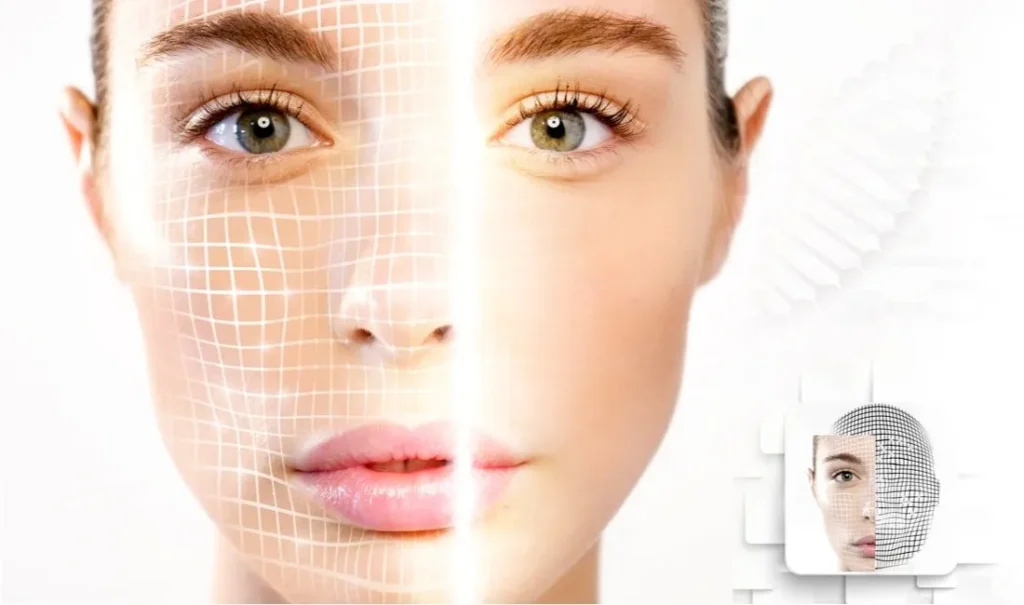
Performance beauty focuses on measurable, repeatable results. These products are designed to deliver specific benefits—such as hydration, repair, smoothing, anti-aging, or scalp health—supported by formulation science and ingredient efficacy.
Performance-driven products prioritize:
- Proven active ingredients
- Optimized delivery systems
- Stability over time
- Consistent sensory experience
Performance beauty is rooted in chemistry, testing, and formulation expertise. It often requires more complex ingredient systems to ensure actives remain effective throughout a product’s shelf life.
Where the Tension Comes From
The perceived conflict between clean and performance beauty often stems from ingredient restrictions. Some ingredients that are highly effective—such as certain preservatives, solubilizers, or stabilizers—may be excluded under some clean beauty definitions.
When these tools are removed without suitable alternatives, products can suffer from:
- Reduced shelf life
- Lower efficacy
- Texture instability
- Increased contamination risk
This is where formulation expertise becomes essential. Achieving both clean positioning and high performance requires careful balancing—not blanket ingredient elimination.
Why Performance Still Matters to Consumers
While clean claims attract attention, consumer loyalty is built on results. A product may align perfectly with clean beauty values, but if it fails to perform, customers will not repurchase.
Performance impacts:
- Customer satisfaction
- Reviews and word-of-mouth
- Brand credibility
- Long-term retention
Successful brands recognize that clean positioning must be supported by visible, reliable outcomes.
Packaging Plays a Bigger Role Than Many Brands Realize
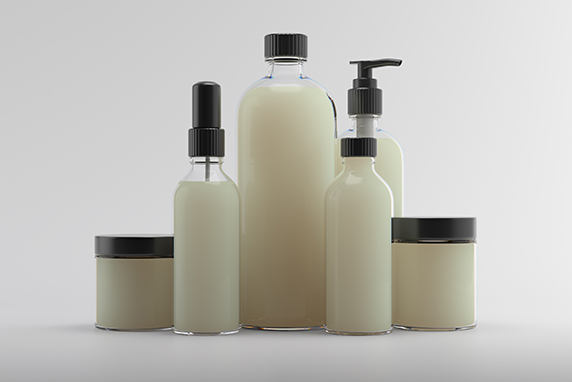
Packaging can help bridge the gap between clean and performance beauty. For example:
- Airless pumps reduce contamination risk
- Opaque packaging protects light-sensitive actives
- Controlled dispensing minimizes microbial exposure
Smart packaging choices can allow cleaner formulations to maintain performance and safety over time.
Finding the Right Balance
The most successful beauty brands don’t treat clean and performance as opposing forces. Instead, they:
- Define clear ingredient standards
- Use proven actives thoughtfully
- Invest in testing and validation
- Communicate honestly with consumers
Balance is achieved through informed decision-making—not trends or assumptions.
The Right Formulation Partner Helps
You To Navigate This Balance

Working with an experienced formulation lab like ELITE allows brands to:
- Evaluate ingredient trade-offs realistically
- Design formulas that meet both clean and performance goals
- Test thoroughly before launch
- Avoid costly reformulations later
Formulation expertise ensures that clean positioning does not come at the expense of product integrity.
Common Mistakes Brands Make
- Removing ingredients without understanding their function
- Over-promising performance while limiting formulation tools
- Underestimating testing requirements
- Assuming “natural” always equals safer or better
These mistakes often lead to compromised products and delayed launches.
In Summary
Clean beauty and performance beauty are not mutually exclusive—but balancing them requires expertise, testing, and strategic decision-making.
Brands that succeed in today’s market understand that transparency and efficacy must work together. With the right formulation approach, it is possible to create skincare, haircare, and body care products that align with clean values while still delivering the results consumers expect. Let us help start your formulation journey