
Trends Shaping The Future of Skincare, Haircare and Body Care Product Development
The beauty industry continues to evolve rapidly. Shifting consumer expectations, ingredient innovation, regulatory scrutiny, and supply chain realities are redefining how skincare, haircare, and body care products are developed and launched.
For brands looking to remain competitive, understanding these trends is essential. Development strategies that worked even a few years ago may no longer support speed, scalability, or consumer trust.
This article explores the key trends shaping the future of beauty product development and what brands should consider as they plan for growth.
1. Transparency Is Becoming a Core Expectation
Consumers want to understand what’s in their products and how they’re made. Transparency now influences:
- Ingredient selection
- Claim substantiation
- Testing and documentation practices
Brands are expected to communicate clearly and accurately, supported by real formulation and testing decisions—not just marketing language but a thorough process with a successful merchantable result.
2. Performance Is Reclaiming Priority
While clean beauty remains influential, performance expectations continue to rise. Consumers still want visible, repeatable results.
This has driven renewed focus on:
- Proven active ingredients
- Delivery systems that improve efficacy
- Stability and shelf-life performance
Brands are seeking formulation partners who can balance clean positioning with real-world results.
3. Speed-to-Market Is Driving Flexible
Development Models
Extended timelines are no longer practical for every product. Brands are increasingly adopting tiered development strategies:
- Turnkey programs for fast launches
- Semi-custom development for line extensions
- Full custom formulation for hero products
This flexibility allows brands to move quickly while still investing in long-term differentiation.
4. Packaging Is Now Part of
Formulation Strategy
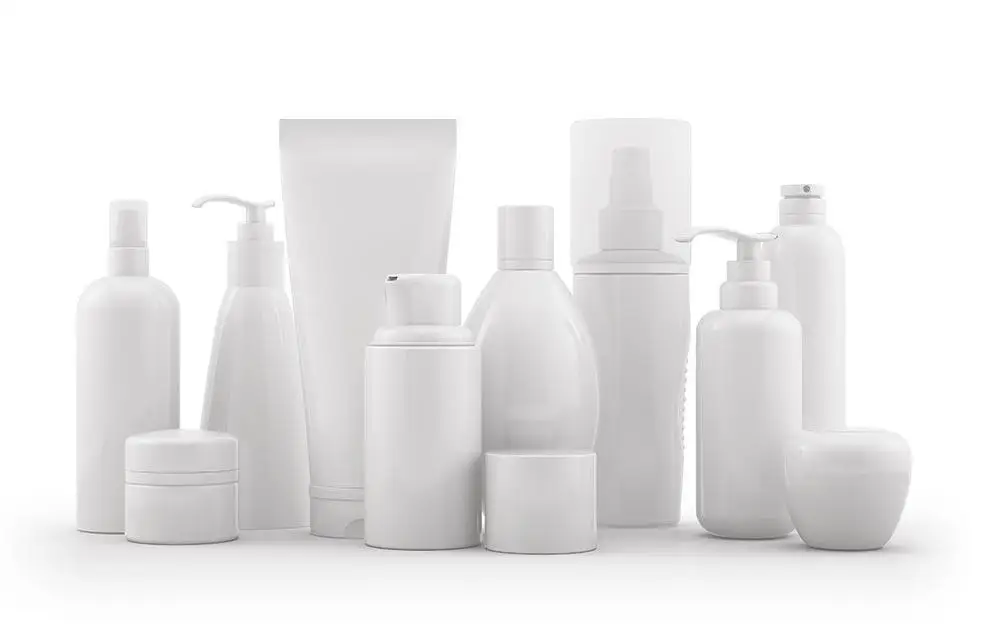
Packaging is no longer an afterthought. It plays a critical role in:
- Protecting sensitive actives
- Maintaining shelf life
- Reducing contamination risk
Early packaging integration is becoming standard practice in modern product development.
5. Testing and Compliance Are
Gaining More Emphasis
Retailers and regulators expect stronger validation before launch. Brands are prioritizing:
- Stability testing
- Packaging compatibility testing
- Clear documentation and traceability
This focus reduces post-launch issues and supports confident scaling.
6. Long-Term Product Roadmaps Are
Replacing One-Off Launches
Successful brands are thinking beyond individual SKUs. Development is increasingly guided by:
- Defined hero products
- Planned line extensions
- Manufacturing and inventory alignment
Roadmap-driven strategies support sustainable growth and better resource planning.
7. Development Partnerships
Are Becoming More Strategic

Brands are moving away from transactional vendor relationships. Instead, they value formulation and manufacturing partners who offer:
- Early collaboration
- Transparent communication
- Strategic guidance over time
Strong partnerships with companies such as ELITE Formulations help brands navigate complexity and adapt as the market evolves.
Concluding Thoughts
The future of beauty product development is more intentional, technical, and strategic. Brands that prioritize transparency, performance, testing, and flexible development pathways are better positioned to innovate and scale.
By aligning formulation science, packaging strategy, and development planning, brands can meet today’s expectations while preparing for what’s next.
Let’s discuss your journey